Twelve-month inspection of mansafe lines, guardrails, roof anchors and abseil equipment, plus what to do after a fall event.
Fall arrest systems and anchor points should be inspected at least every twelve months, and after any fall event, if they are to stay compliant and usable. That is not a paperwork nicety. A corroded post, a moved counterweight or an expired harness turns a certified system into a false sense of security.
Why twelve months is the baseline
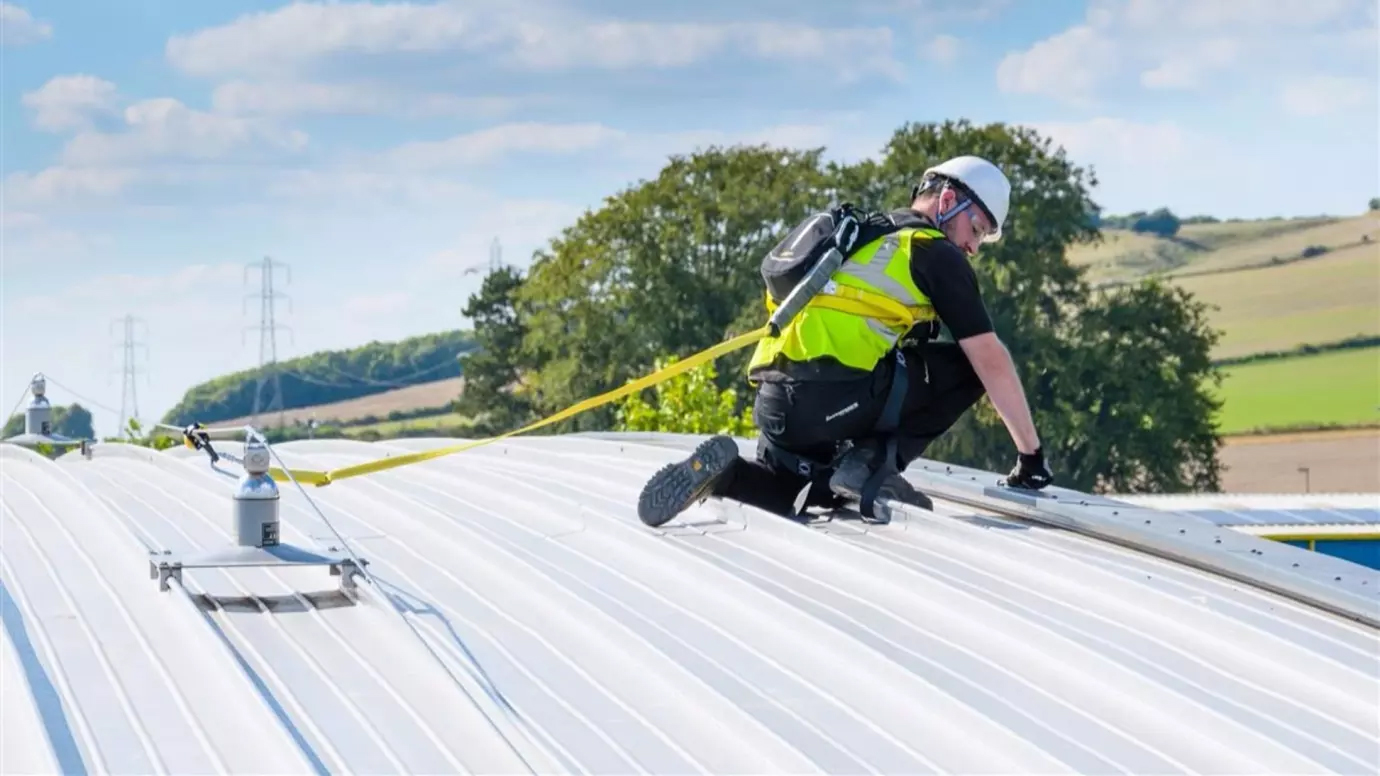
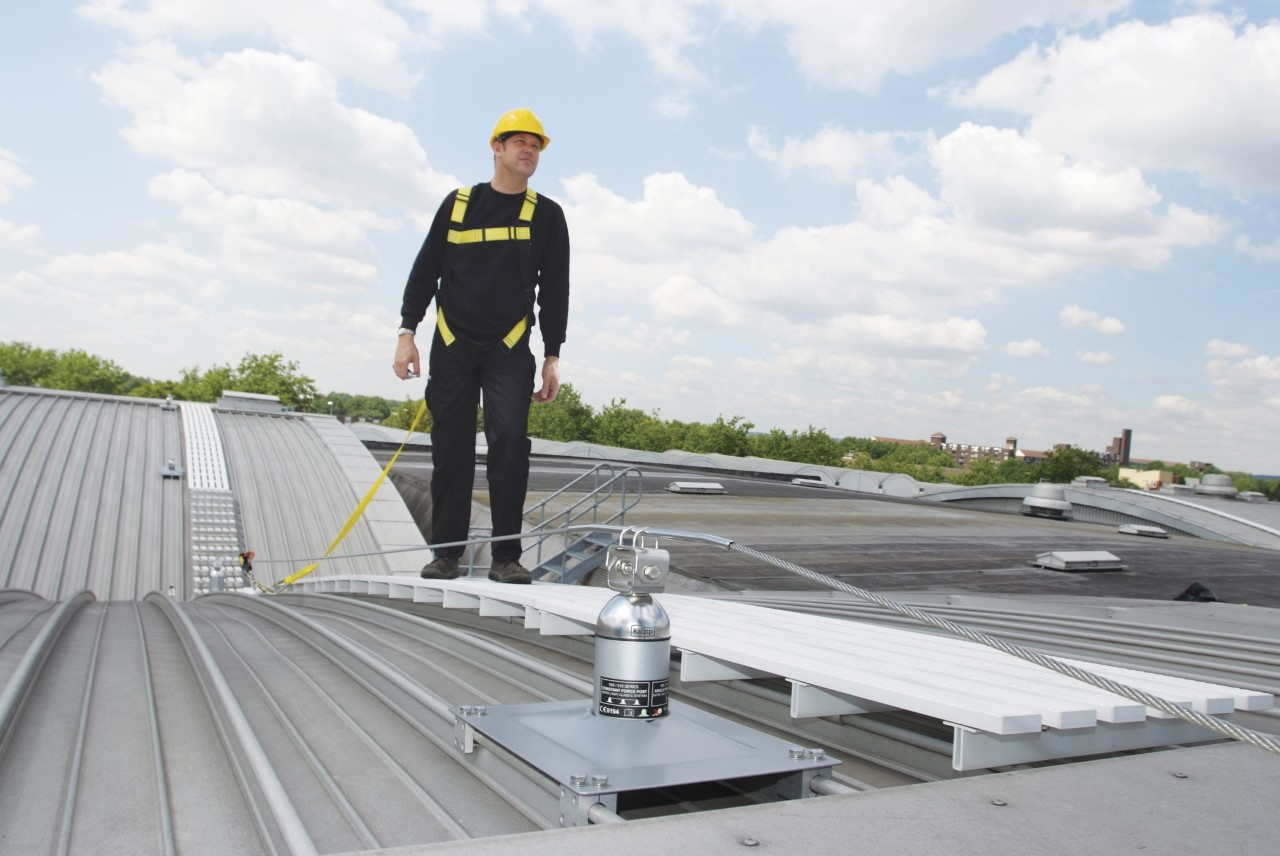
Manufacturers of horizontal cable systems, Constant Force posts and roof anchors specify periodic examination so that wear, corrosion, UV damage and unauthorised modification are found before the next person clips on. The same logic applies to guardrails: a free-standing rail is only collective prevention while the weights are still in place and the posts have not been shuffled aside for a chiller swap.
Onestop’s inspection and certification service is built around that cycle. We attend as a one-off or as a scheduled visit across a portfolio, write down what we find, and flag remedial work before the certificate is issued.
What we inspect
Our FASET-trained teams inspect and recertify mansafe fall protection, including:
- Horizontal cable systems and Latchways Constant Force posts
- Guardrail systems, including free-standing and fixed runs
- Single-point roof anchors
- Abseiling equipment
- Ladders and associated fall-arrest rail, including LadderLatch
We check against current standards, not against the drawing that was current when the system was first fitted. Roofs change. Plant is added. A line that was correct in 2018 may now run through a new AHU or stop short of a hatch that everyone uses.
Digital records and reminders mean the next visit is not left to someone’s inbox. LOLER-aligned records sit with your CDM and facilities files so duty holders can show the system was examined, not only installed.
After a fall, or a change of use
A 12-month cycle is the baseline, not the only trigger. Inspect again if:
- Someone has fallen onto the system
- The roof covering has been replaced or overlaid
- A new plant item changes the route or the edge condition
- Weights, posts or cable terminations have been disturbed
- The building’s use has changed — for example from vacant to occupied, or from occasional access to weekly contractor visits
A fall event takes the system out of service until it has been examined. Do not send the next contractor up on a line that has already arrested a load.
What a good inspection looks like
A visit should produce more than a sticker. You should receive a written statement of condition, a list of defects ranked by urgency, and confirmation of safe working status — or a clear instruction not to use the system until it is repaired. Where we installed the original profiled metal roof lifeline, we already know the layout; where we did not, we survey first so the certificate matches the roof in front of us.
Combine recertification with a design review if you suspect the original layout no longer matches how the roof is used. It is cheaper to add a spur or a rail than to discover the gap after an incident.