How we plan netting, edge protection and rooftop systems on live commercial, industrial and public buildings with minimal disruption.
Much of our work is not a vacant shell. It is a warehouse still picking orders, a school in term time, a plant that cannot stop. Occupied buildings change the specification as much as the roof build-up does. The system still has to meet FASET, Latchways and the Work at Height Regulations. It also has to let the people below carry on working.
Containment as well as arrest
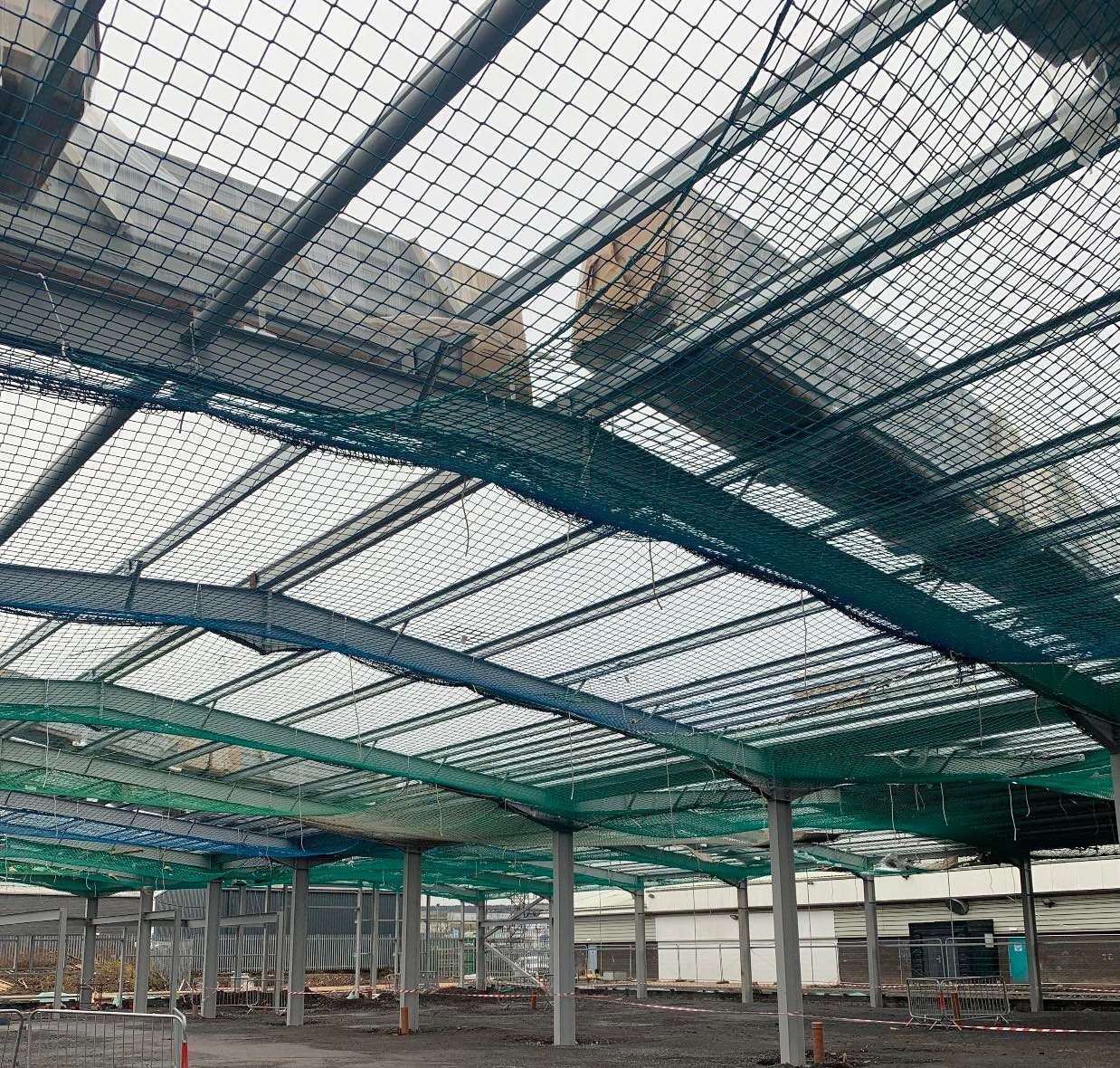
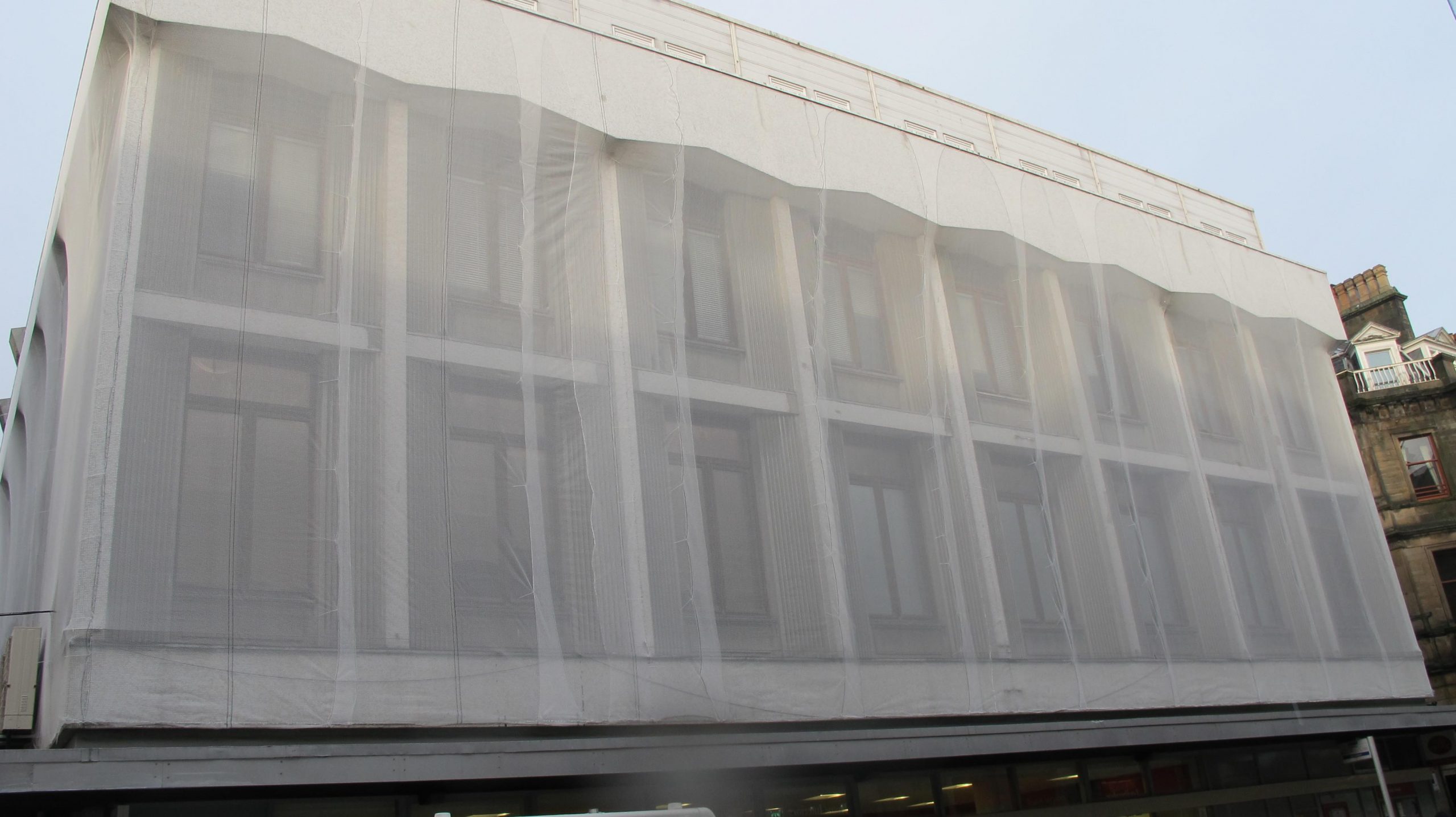
On a live site, stopping a person falling is only half the job. Protective debris netting over safety nets or on edge protection keeps tools, cladding and fixings off the people below. Facade wrap is used where the risk is at the elevation, not only at the eaves. Brick-guard on scaffold is the same idea at street level.
A net that meets BS EN 1263 can still leave a public footpath exposed to small debris. Specify containment in the same package, not as a variation after the first complaint from the occupier.
Plan around operations
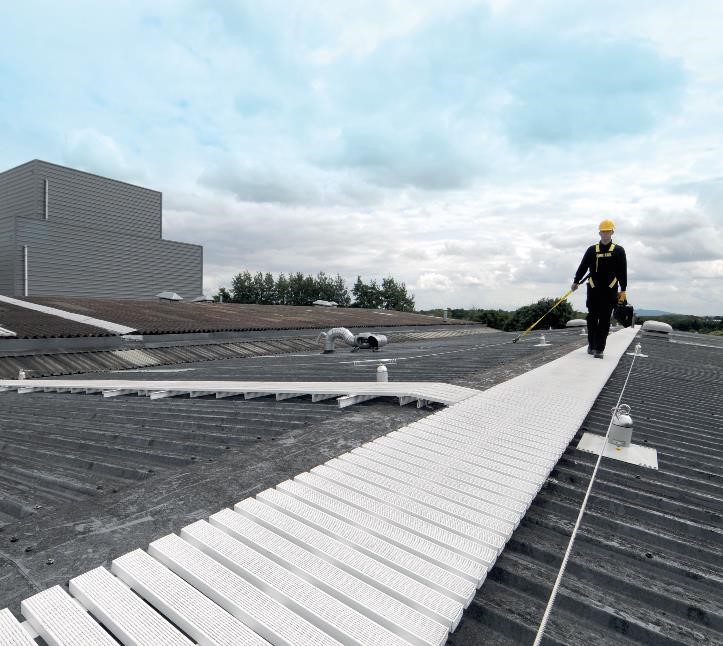
We produce site-specific RAMS, agree access windows, and use IPAF and towers so we are not building unnecessary scaffold in a customer car park. Permanent walkways and ladders reduce the need to scaffold the same roof every time FM attends — which is often the real disruption, not the original install.
On production buildings, we have installed lifelines and walkway routes so maintenance can happen without shutting a line below. On construction-phase steel, nets and edge protection go in around deliveries rather than instead of them.
Ask for:
- A method that names the occupied areas below
- Agreement on MEWP or tower positions before the first visit
- A programme that can pause for the client’s peaks, not only for the weather
- Inspection of temporary systems while they remain in, not only at handover
Directly employed height teams
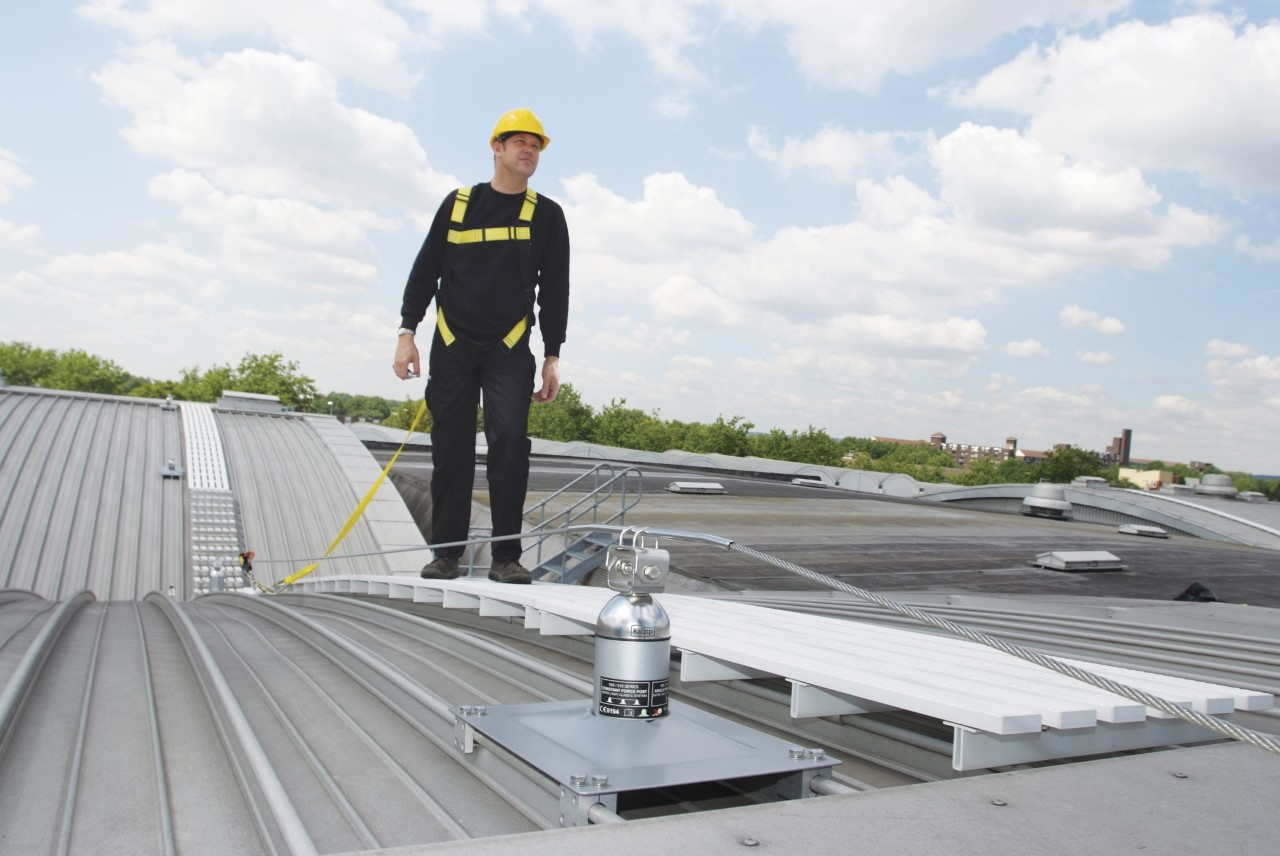
Safety net and roof edge protection riggers are CSCS FASET trained and employed by Onestop. That keeps method, induction and programme in one team when the building cannot pause for a supply-chain argument. Approved Latchways installation for Constant Force posts and LadderLatch sits in the same business as the temporary works, so a principal contractor is not coordinating two height contractors who have never met.
We are based in Glasgow and work across the UK. Occupied commercial, industrial, education and local-authority buildings are a normal part of the diary, not a special case.
Permanent systems that reduce future visits
The quiet win on an occupied asset is a system that FM can use without calling a scaffold every quarter. Guardrail around plant, a WalkSafe route, a certified horizontal line and a 12-month inspection visit are usually less disruptive than repeated temporary access. Design that once, while the roof is already opened up for a recover or a plant replacement.
If you need work at height on a live asset, request a survey and we will design around the occupation, not against it.