The difference between stopping a person reaching an edge and arresting a fall, and what the Work at Height Regulations expect you to specify first.
Specifiers still mix up fall prevention and fall protection. The words sound similar. The systems, the legal expectation and the way people behave on the roof are not. Getting the distinction right is the difference between a building that is passively safer and a building that only protects the person who remembered to clip on.
What the Regulations ask for
The Work at Height Regulations 2005 require duty holders to avoid work at height where they can, then to prevent falls, then to mitigate the consequences of a fall that cannot reasonably be prevented. That hierarchy is not a slogan. It is the order in which a principal designer, facilities manager or roofing contractor should specify systems.
Prevention is collective. It does not depend on a briefing that morning, a harness that still fits, or a lanyard that has not been left in the van. Protection — more precisely fall arrest or work restraint — depends on all of those things. Both have a place. Prevention comes first.
Prevention: keep people away from the drop
Fall prevention stops a person reaching a hazard. Onestop’s collective systems in this family include:
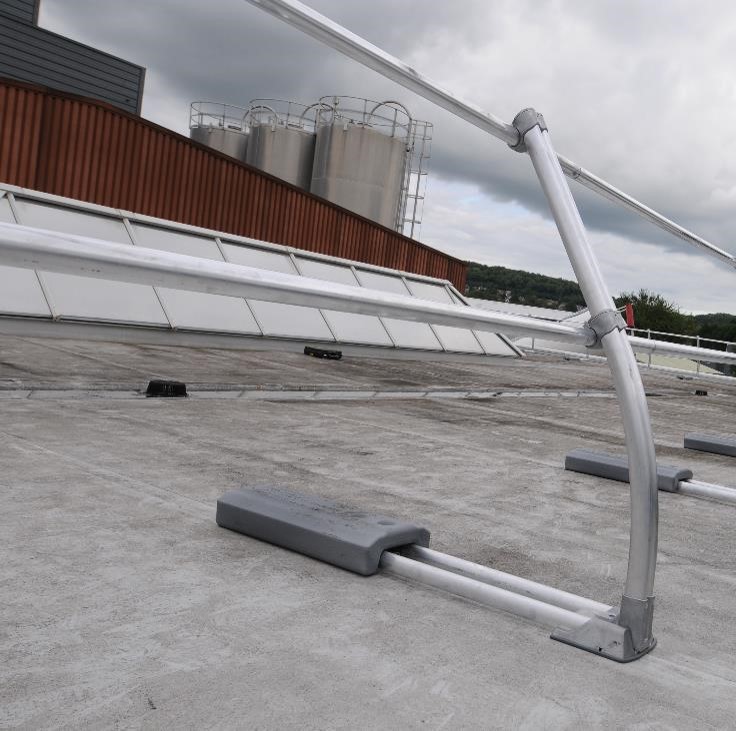
- Guardrail systems, including free-standing VersiRail on membrane roofs and fixed rails on parapets and mezzanines
- Walkway systems that keep feet on a defined, anti-slip route instead of fragile sheets and lights
- Edge protection on construction-phase roofs, slabs and leading edges
- Access ladders with hoops or companion rails so the climb itself is controlled
A free-standing roof rail around plant is prevention. A marked WalkSafe route that keeps people off a fragile light is prevention. Temporary Class A barriers on a slab edge are prevention. In each case the system works whether or not the person using it has been trained on a personal lifeline.
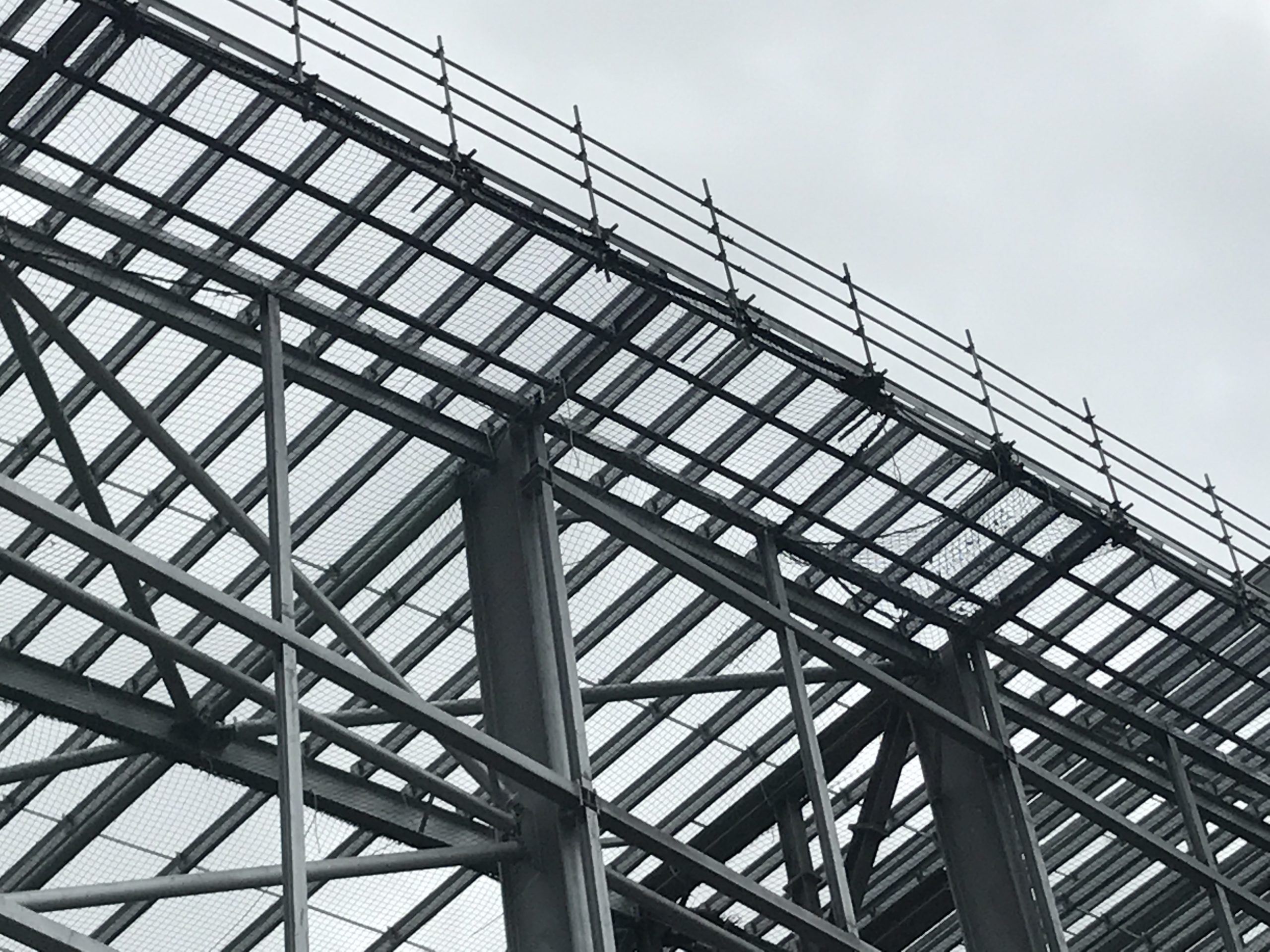
That is why facilities teams like rails on roofs they visit every month, and why main contractors like a physical barrier at the eaves while the frame is still open. See how we combined a barrier with nets on a steel-frame perimeter.
Protection: arrest or restrain a fall
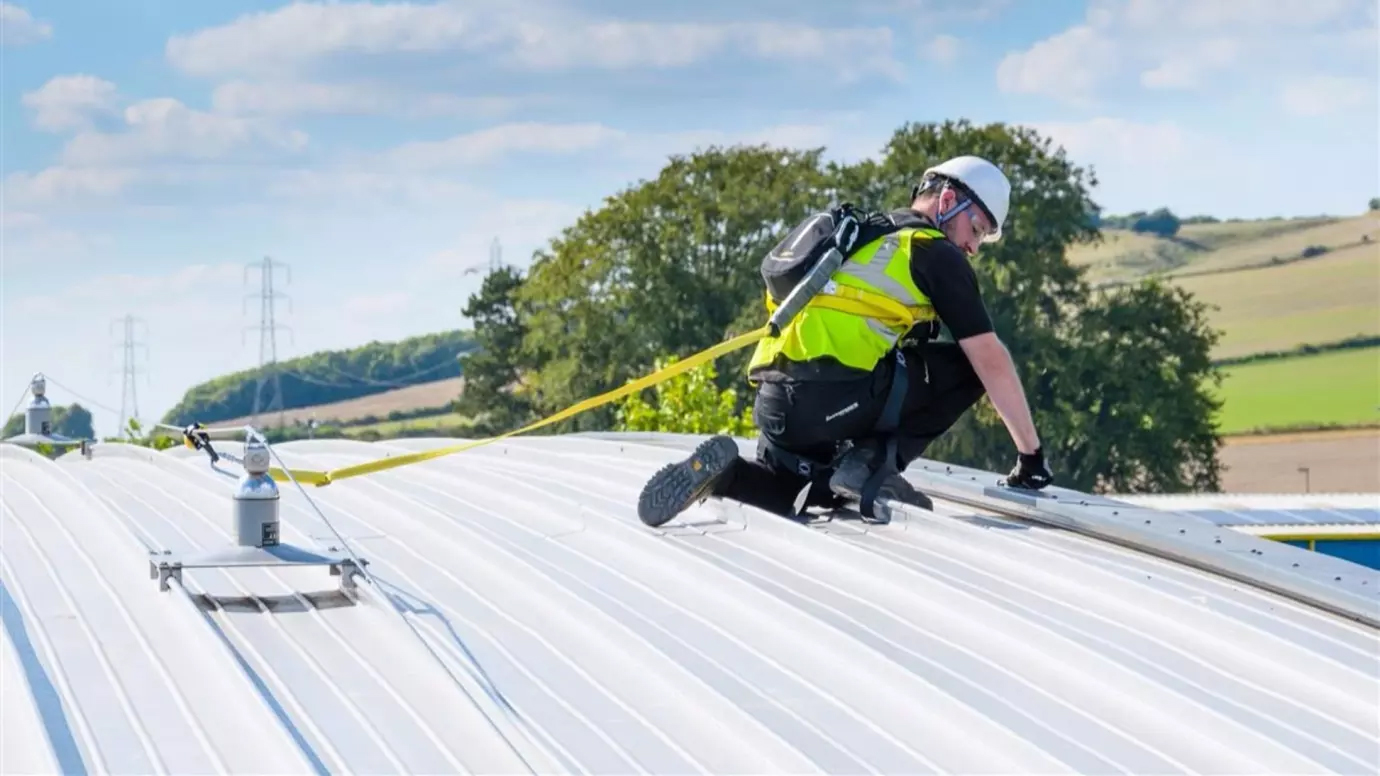
Fall protection uses personal equipment, or a collective arrest system that still allows the fall to start.
Constant Force posts and anchors only protect the person who is trained, clipped on and using a compatible harness and lanyard. They are the right choice when a collective barrier is not reasonably practicable — a standing-seam roof used twice a year, a confined plant well, a profiled metal covering that cannot take an unarrested shock load.
Safety netting is collective arrest. It does not stop the fall starting, but it catches the person without every operative clipping to a line. That is why nets sit under steel and timber frames during the roofing package, not as a substitute for a finished parapet.
Arrest systems introduce clearance, rescue and inspection duties that a simple rail does not. You need enough space below the user, a plan to recover them, and a 12-month inspection cycle so the line is still certified when someone next goes on the roof.
How the two families work together
Most occupied buildings need both. A walkway and a rail along the eaves keep everyday access collective. A Constant Force line beside the plant lets a trained operative step off the deck to change a filter. Temporary nets and edge protection cover the construction phase; a permanent rail or lifeline takes over at handover.
The mistake is to buy only what the last contractor left behind. A building with a lifeline and no defined route still invites people to walk the sheets. A rail with no inspection regime still fails when a counterweight is moved.
How we help you choose
Onestop surveys the building, the programme and who will actually go on the roof. We design, supply and install both families of system, so the recommendation is not tied to a single product. Read guardrail or lifeline for a practical split on rooftop plant, then book a free site survey.